Sunflower, Daisy, Daffodil Cliparts
A Bright Start to Springtime Embroidery
As a designer who’s spent years working with embroidery files and crafting handmade products, I often find myself evaluating new designs with the end user in mind. Sunflower, Daisy, Daffodil Cliparts immediately caught my eye for its cheerful spring theme and clean, approachable design. The set feels like a fresh burst of color that could easily transition from a personal project to a commercial one. But before jumping into a custom tote bag or a baby shirt, I needed to assess how this design would perform in real-world embroidery scenarios.
The First Impression: A Warm, Inviting Palette
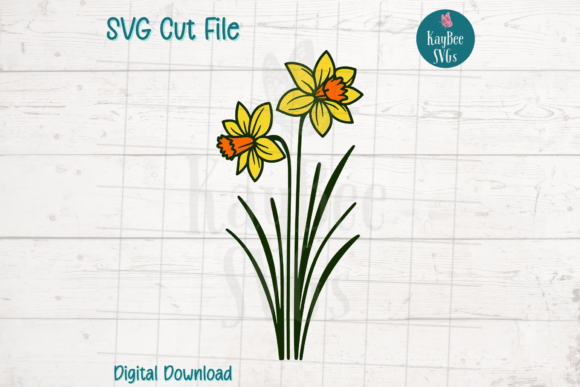
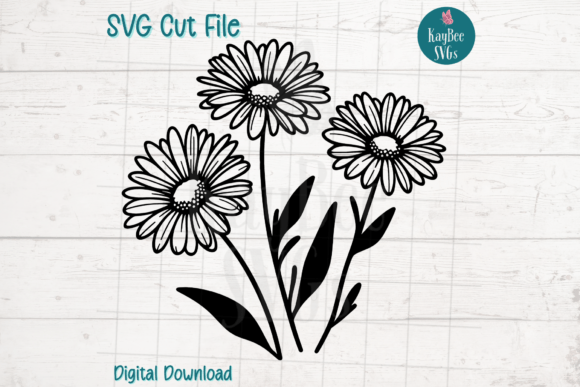
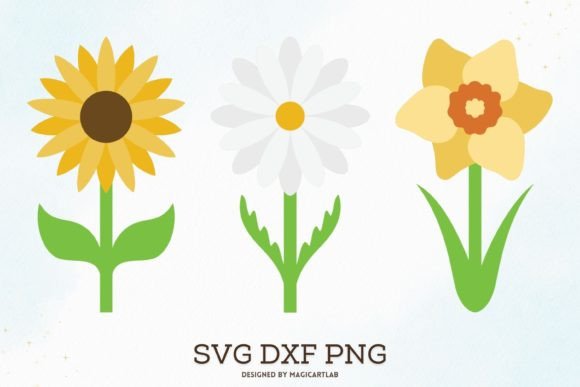
The first thing I noticed about Sunflower, Daisy, Daffodil Cliparts is its visual harmony. The colors are soft yet vibrant—perfect for Easter, springtime gifts, or even everyday use. The sunflower stands out as the focal point, while the daisies and daffodils add balance and depth. The layout is intuitive, with each flower clearly separated and well-proportioned. This makes it easy to imagine how these elements might be arranged on a fabric surface without overwhelming the viewer.
Visually, the design has a friendly, whimsical personality that suits a wide range of projects. It doesn’t feel too busy or too simple—it strikes a perfect middle ground. This versatility makes it ideal for both personal and commercial use. Whether you’re creating a personalized gift or a boutique product, the design feels approachable and inviting.
Real-World Use Cases: From Tote Bags to Baby Clothes
When thinking about practical applications, I immediately considered a custom embroidered tote bag. The flowers are large enough to be noticeable but not so big that they dominate the space. They work well on a 5x7 inch hoop, which is common for many embroidery machines. However, I also thought about smaller projects, like embroidered patches or baby clothes. In those cases, the design might need scaling down, which could affect stitch density and clarity.
For a baby shirt, the design’s soft palette and gentle shapes make it especially appealing. The sunflower, in particular, adds a touch of playfulness that appeals to parents looking for cute, meaningful gifts. On the other hand, using the design on a cap or hat requires careful consideration of how the flowers will appear on curved surfaces. The design’s corners and edges are sharp, which could create stitching issues if not properly adjusted.
Design Performance in Real Projects
Testing the design on a scrap piece of fabric revealed some key insights. The stitch density is moderate, which means it won’t cause over-stitching or thread breakage. However, the fine details on the daffodils and daisies may require extra attention when stitching on textured or dark fabrics. The contrast between the design and the background fabric is important here—lighter threads on darker fabrics can help maintain visibility.
One area to watch for is the small lettering or decorative accents that might come with the design. These can be tricky to stitch clearly, especially on thin or stretchy fabrics. Using the right stabilizer is crucial in such cases. For example, a tear-away stabilizer works well with most cottons, while a water-soluble option might be better for delicate materials.
When considering commercial use, it’s essential to check the licensing terms. If you plan to sell finished products or digital assets, ensuring that the design is properly licensed is a must. Also, testing the design on different fabric types and machine settings can save time and prevent costly mistakes in production.
Where to Use with Caution
While Sunflower, Daisy, Daffodil Cliparts is versatile, there are certain situations where it might not perform as well. Small hoop sizes can lead to distorted or stretched designs, especially if the original file isn’t optimized for that scale. Textured fabrics, like denim or canvas, can also cause the design to look less crisp due to the fabric’s surface.
Dark fabrics pose another challenge. Without sufficient contrast, the design may become difficult to see, especially in areas with dense stitching. Testing the design on black or navy backgrounds is a good idea before committing to a large-scale project. Similarly, layered garments or items that require frequent washing should be approached with care, as repeated use can affect the durability of the embroidery.
Visual Appeal and Customer Trust
The overall visual appeal of Sunflower, Daisy, Daffodil Cliparts is strong. Its bright, cheerful colors and clean lines make it a great fit for holiday gifts, personalized items, and boutique branding. When used correctly, the design can elevate a handmade product and increase customer satisfaction. However, poor execution—such as mismatched thread colors or incorrect stitch density—can diminish the perceived value of the finished item.
From a brand consistency perspective, the design offers flexibility. It can be adapted for various product lines, from custom apparel to printable mockups. This adaptability is especially valuable for Etsy sellers and small shop owners looking to expand their offerings. However, maintaining a cohesive brand image requires thoughtful use of the design across all products.
Practical Design Notes for Success
Before using Sunflower, Daisy, Daffodil Cliparts in a real project, I recommend a few key steps. First, test the design on scrap fabric to evaluate stitch clarity and appearance. Check the thread color contrast against your chosen fabric, and consider using a black and white mockup to assess how the design will look in different lighting conditions.
Review the stitch density to ensure it’s appropriate for the fabric type and project size. Confirm the hoop size and adjust the design if necessary. Always use proper stabilizer to prevent puckering or distortion. Finally, verify the licensing terms before selling any finished products or digital assets.
Final Thoughts: A Versatile Design for Many Uses
Sunflower, Daisy, Daffodil Cliparts is a well-crafted design that offers a lot of potential for both personal and commercial use. Its cheerful aesthetic and balanced composition make it a great choice for a wide range of embroidery projects. With the right preparation and attention to detail, this design can enhance your handmade products and create meaningful, visually appealing results.